
The EU earth observation agency recently served as a sobering reminder of the deepening climate crisis we face. According to a recent Financial Times article, the world has just experienced its hottest season on record. Data from the Copernicus Climate Change Service shows global average temperature reached 16.77°C, an unsettling 0.66°C higher than the 1990-2020 average. The previous record from 2019, which had an average temperature of 16.48°C, was outpaced by a significant 0.3°C.
UN Secretary-General António Guterres comment, “Climate breakdown has begun”, though evocative, turns a blind eye to the depth of the issue. Truth be told, the climate breakdown didn’t just begin—it has been unfolding for decades. Since the onset of the industrial revolution, human activities have been altering the planet’s climate system. With increasing greenhouse gas emissions primarily from burning fossil fuels, deforestation, and industrial processes, global temperatures have been on a steady rise, and the symptoms of this change have manifested in countless ways.
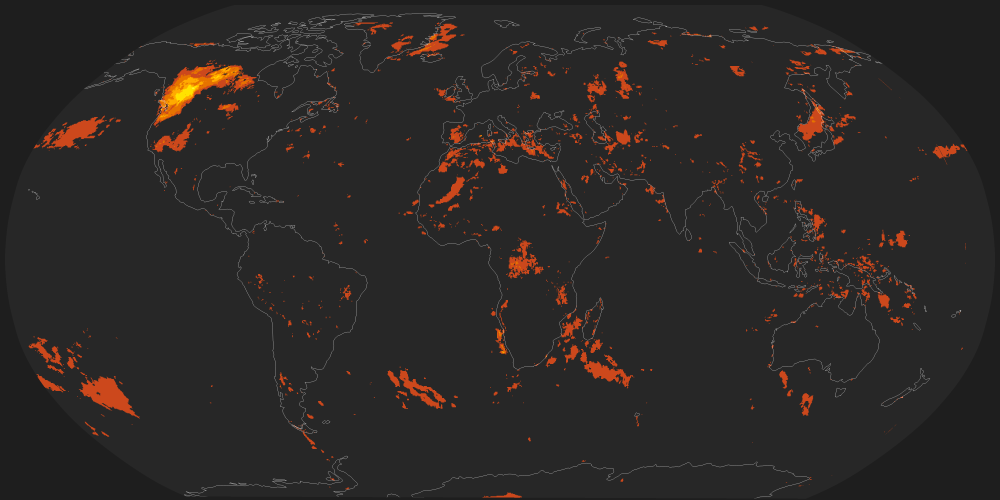
A fraction of a degree increase in global warming has an exponential effect on our environment, leading to more extreme weather events and severe consequences for ecosystems. In doing so, causing loss of human welfare that depends on it and gloomy economic implications. As the FT notes, these events have plagued all corners of the globe. From deadly wildfires in Greece and Spain to severe flooding in Hong Kong, Bulgaria, and Turkey, the repercussions of climate change have been felt more than ever.
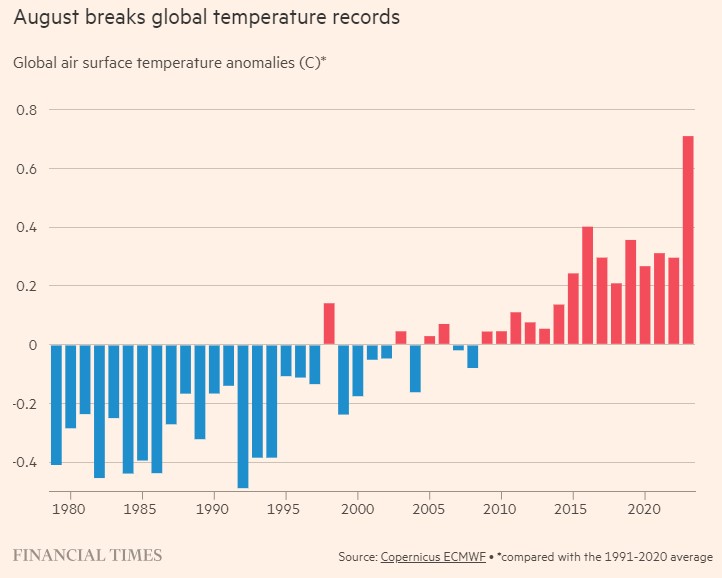
The relentless climb in global temperatures serves as both a reflection of past inaction and a dire forecast of what’s to come. It’s an urgent summon to global leaders, businesses, communities, and individuals to integrate sustainable practices, invest in green technologies, and drive policy changes to stem the tide of the climate crisis. The past might be written, but the future is ours to shape.
At Equitis we believe that the relentless climb in global temperatures serves as both a reflection of past inaction and a dire forecast of what’s to come. It’s an urgent summon to global leaders, businesses, communities, and individuals to integrate sustainable practices, invest in green technologies, and drive policy changes to stem the tide of the climate crisis. The past might be written, but the future is ours to shape. The BCF will shed light on the carbon intensity of our assets enabling a better understanding of our carbon impact.